
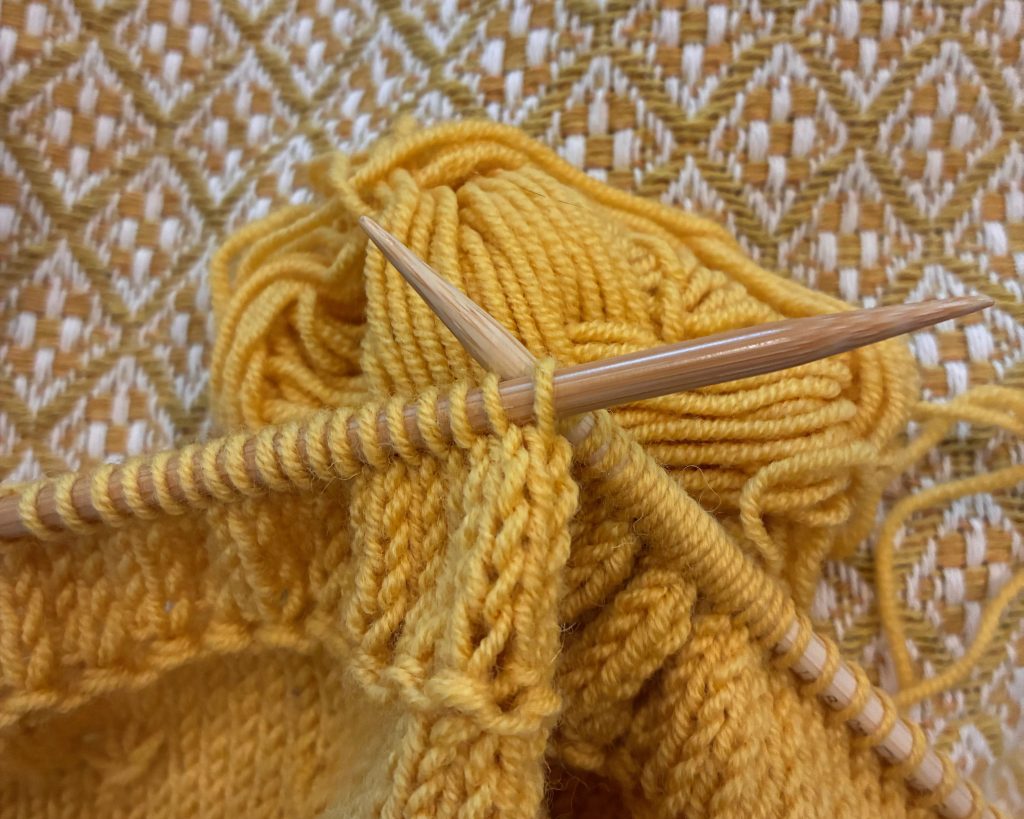
The kind of history that truly shapes us isn’t written in headlines — it’s lived in the quiet changes of everyday life.
When we hear the word “history,” we often think of the grand and the official: presidents, wars, treaties, revolutions. But the kind of history that has always captivated me isn’t in the headlines — it’s in the home.
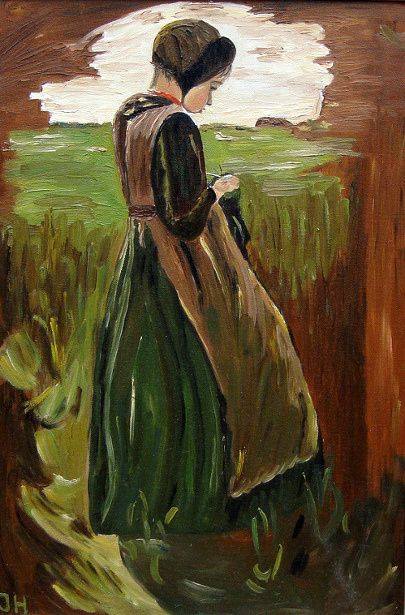
Real history — the kind that shapes our everyday lives — happens in kitchens, at work desks, in schoolyards, and around the dinner table. It’s how we prepare food, how we communicate, how we care for one another, and how we fill our time. Historians call this social history, and it’s where I love to linger — both in my writing and in my imagination.
Think about the pandemic. We all witnessed, almost overnight, massive changes in how we live:
– Takeout and grocery delivery became the norm.
– Working from home, once rare, became standard for millions.
– Video calls replaced meetings, church gatherings, even holidays.
– And yet, paradoxically, we learned to cherish in-person connection like never before.
Those shifts — in how we gather, how we earn, how we are — were historical. Not in the sense of battle lines and political scandals, but in the daily, private, deeply human sense. History isn’t just about what changed in the world. It’s about how those changes ripple through our routines, values, and relationships.
That’s the kind of history I write about.
In my fiction, I’m interested in the way small things — new technologies, changing customs, even the fading of once-common skills — can quietly upend entire industries, or even entire communities.
– The invention of the cotton gin changed labor forever.
– The arrival of the automobile sent buggy whip makers out of business.
– The rise of knitting mills turned a cherished handcraft into factory labor.
We lose things in these shifts — not just jobs or industries, but often skills, connection, and a slower way of being. When we can have everything instantly, we may forget the value of patience, or the quiet pride of making something by hand.
These are the threads I try to follow in my work — the way we live, and the ways we forget to ask what’s lost when the world turns too fast.
If you’re someone who finds comfort in a slower stitch, or who senses that history lives in the ordinary as much as the epic, then I invite you to follow along. The stories I tell may be set in the past, but they are always asking questions about now.
Because history isn’t behind us.
It’s woven into everything we do.
Interested in Social History? Check out Knitting Through Time, a fictional “history” of how the craft of Knitting went from the Middle East, to Europe, and then to North America.
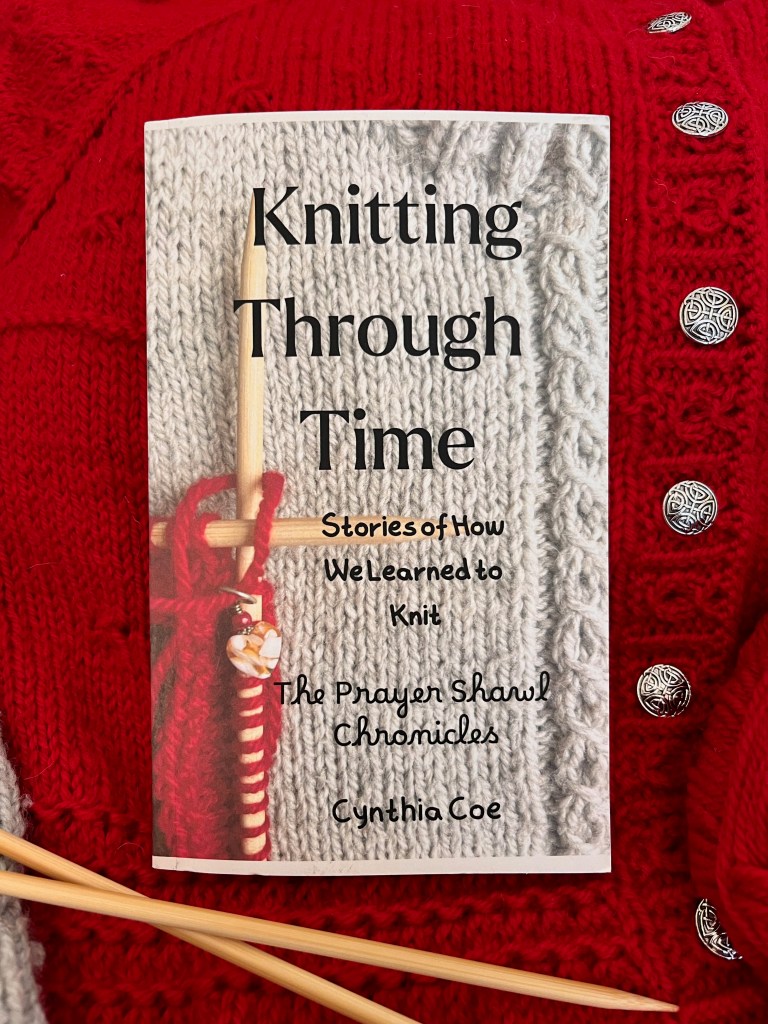
Cynthia Coe is a novelist, knitter, and spiritual writer whose books explore the power of community, craft, and quiet faith. She’s the author of The Prayer Shawl Chronicles series and several church resources used in congregations across the country.
She is based in Knoxville, Tennessee and St. Augustine, Florida.
➡️ Explore her books on Amazon: amazon.com/author/cynthiacoe
As an Amazon Associate and Author, I may earn a very small fee if you click on a link to one of my books and buy something. There is no additional charge to you!
 Cynthia Coe, Author of Fiction & Spiritual Resources
Leave a comment