
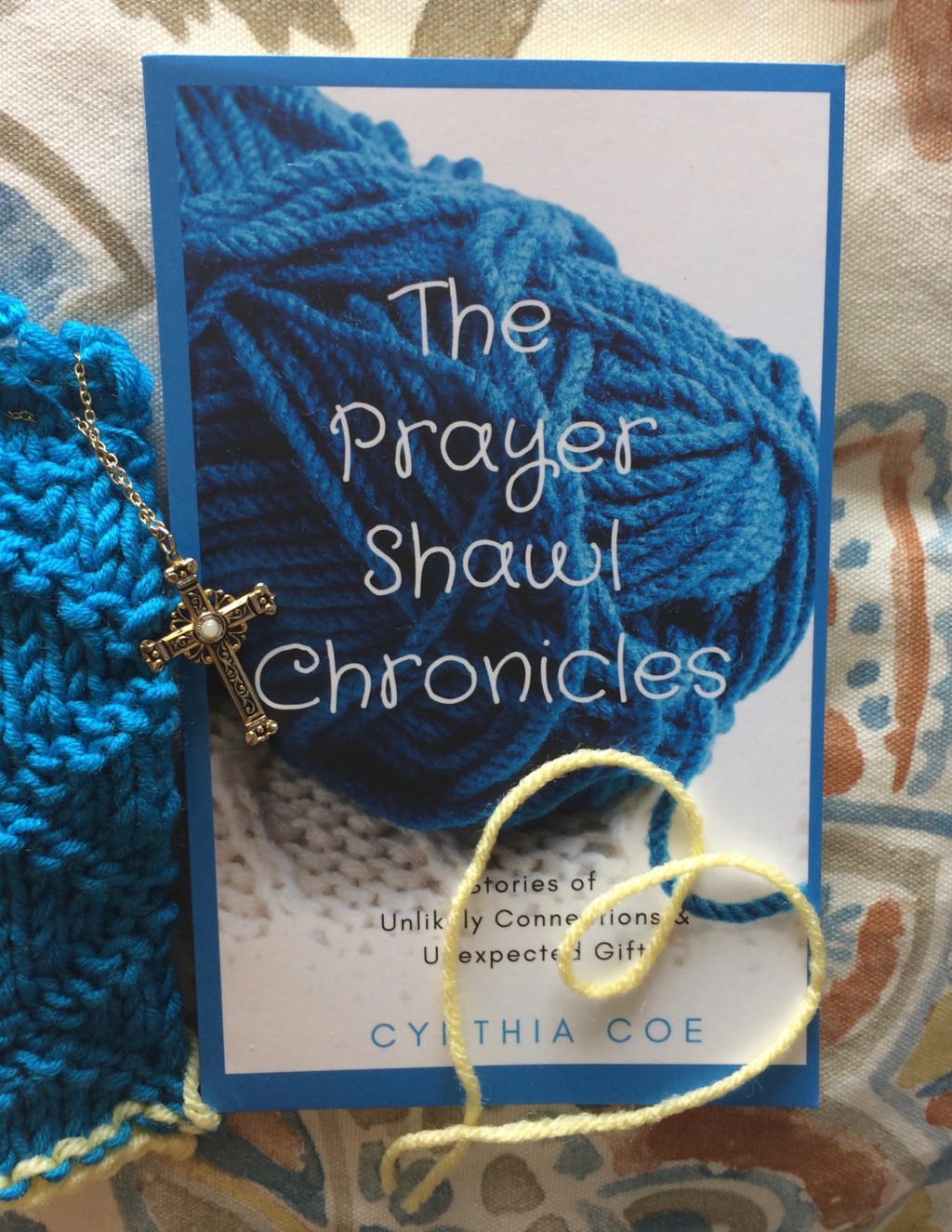
If you enjoy historical fiction shaped by faith, you might be surprised by what you’ll find in my novels.
Yes, knitting appears in the titles—but these stories are not about knitting patterns or techniques. They are about people. About the ways ordinary lives are shaped by belief, culture, loss, and hope. And woven through each story is something many readers don’t expect:
Real church history.
Not the kind found in textbooks or theological debates—but the lived, daily faith of people navigating a changing world.
Faith in the Everyday World of History
When we think of church history, we often think of councils, doctrines, and famous figures. But most people in history experienced faith very differently.
They encountered it:
- in their homes
- in their work
- in moments of crisis and uncertainty
- in the quiet rhythms of daily life
This is the world I try to capture in my novels.
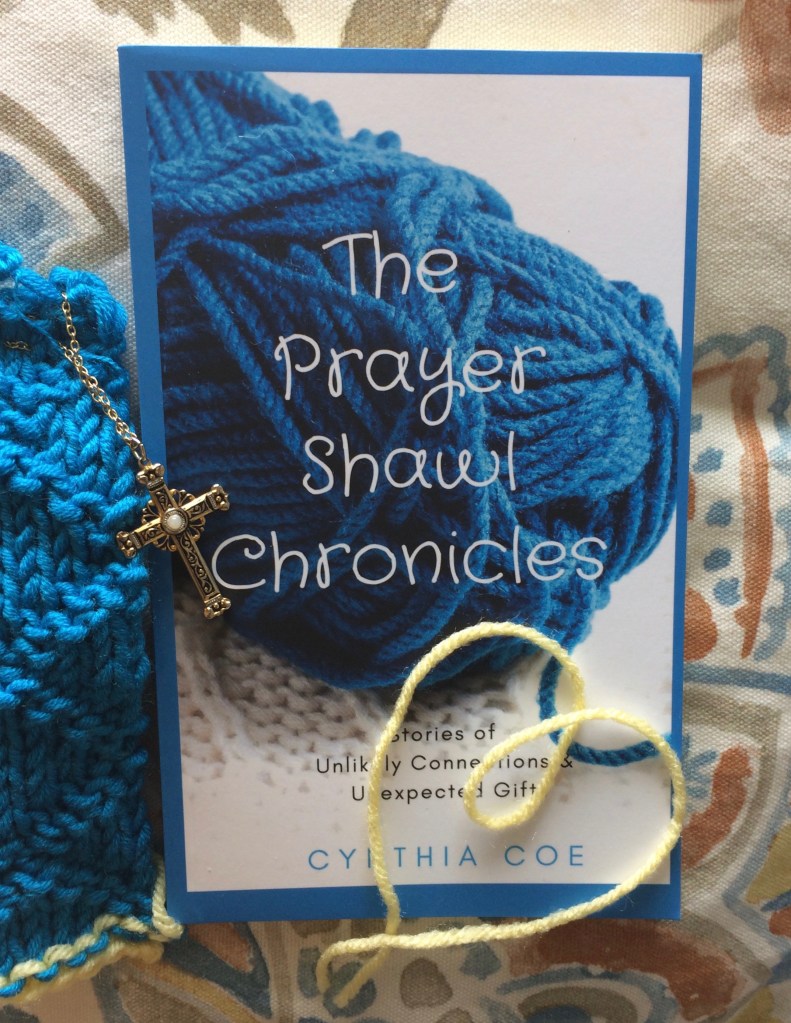
In The Prayer Shawl Chronicles books, faith is not abstract. It is lived out in kitchens, marketplaces, ships crossing dangerous waters, and newly forming communities far from home.
From Egypt to Sevilla to the New World
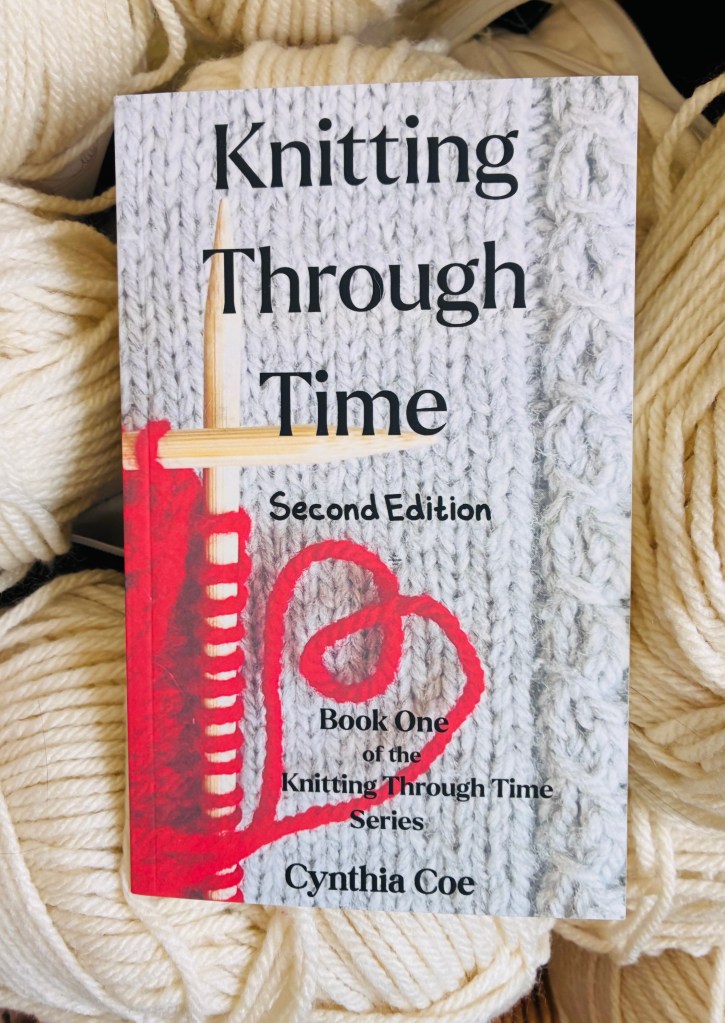
My historical fiction follows women traveling from Egypt, to Spain and Western Europe, and finally to the New World. Knitting likely began in Egypt, and my imagined history of the craft focuses on one of the Desert Mothers. Her tradition then travels to France during the time of the Romans, then to the Beguines of Bruges and Amsterdam.
My imagined history picks up in Bruges and Sevilla of the 16th century. In cities like Sevilla, faith was deeply embedded in daily life—shaped by tradition, family, and the powerful presence of the Church. But as people crossed the ocean and built new lives in places like Peru, that same faith had to adapt.
Far from familiar structures, belief became something more personal—and sometimes more fragile.
Through these stories, we see:
- the tension between official religion and lived experience
- the challenges of cultural encounter
- the resilience of women building new homes in unfamiliar lands

The Church Beyond the Walls
Another theme that emerges in my novels is this:
The Church is not just an institution—it is a community of people.
In unfamiliar and often difficult environments, faith was carried not only by priests and structures, but by individuals—especially women—who sustained it in quiet, practical ways.
Acts of care, memory, and tradition became expressions of belief.
Faith was passed down not only through sermons, but through daily life.
This is a form of church history that is often overlooked—but it is no less real.
Why This Kind of History Matters
Historical fiction allows us to enter the lives of people who might otherwise be forgotten.
It gives us a glimpse of:
- how faith felt, not just what it taught
- how ordinary people responded to extraordinary change
- how belief endured across distance, loss, and time
For readers of faith—or simply readers who enjoy thoughtful, character-driven stories—these glimpses can feel surprisingly relevant today.
An Invitation to Read
You don’t need to knit to enjoy these novels.
If you love:
- historical fiction
- stories centered on women’s lives
- narratives shaped by faith and cultural change
- book club fiction with depth and heart
you may find something meaningful in these pages.
Because beneath the surface of these stories lies something enduring:
the quiet, persistent presence of faith in the lives of ordinary people.
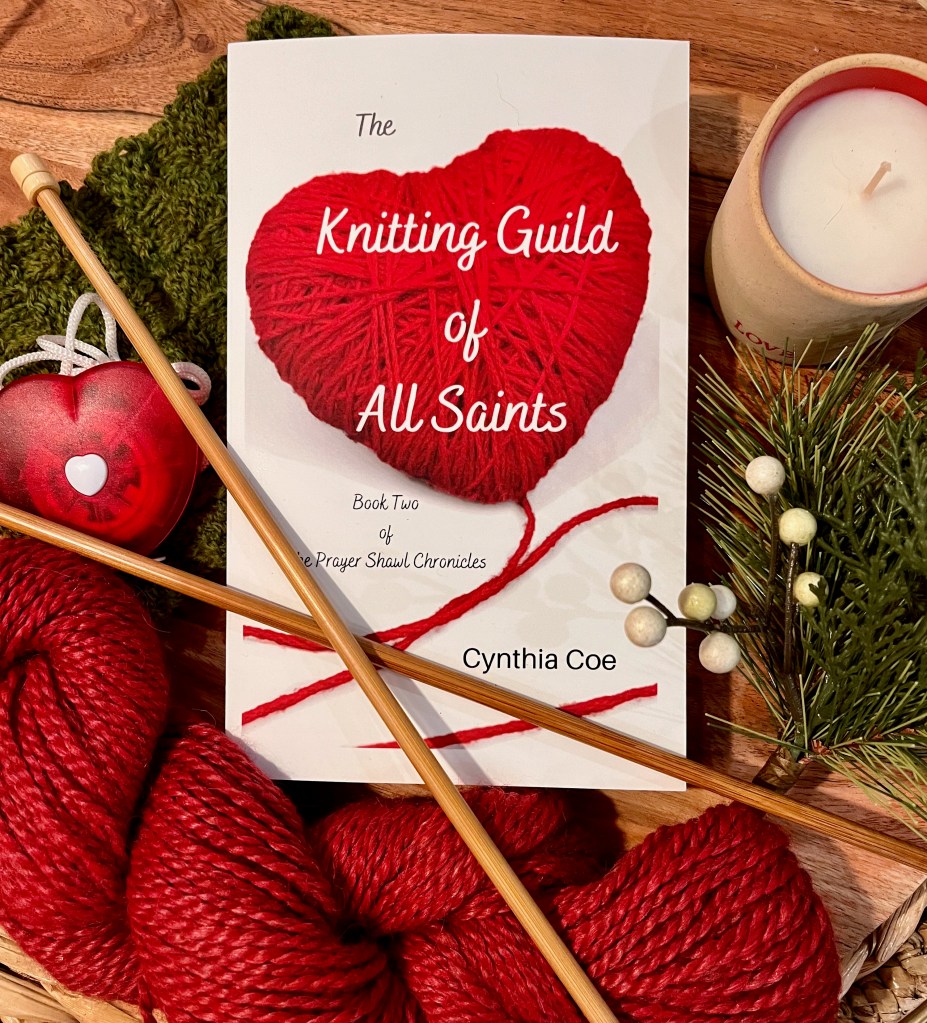
Cynthia Coe is a novelist, knitter, and spiritual writer whose books explore the power of community, craft, and quiet faith. She’s the author of The Prayer Shawl Chronicles series, The Knitting Through Time historical fiction novels, and a number of formation resources.
She is based in Knoxville, Tennessee and St. Augustine, Florida.
➡️ Explore her books on Amazon: amazon.com/author/cynthiacoe
 Cynthia Coe, Author of Fiction & Spiritual Resources
Leave a comment