
History books tell us about kings, wars, and revolutions. They mark the dates, name the powerful, and explain what happened. But they rarely tell us what it felt like to live through those moments. They don’t tell us about the women who held families together when everything was uncertain, or the quiet ways faith was practiced far from churches and institutions, or the ordinary people who crossed oceans and tried to build new lives in unfamiliar lands.
And yet, this is where most of life happens. This is where history becomes human. When I began writing historical fiction, I found myself drawn to those quieter spaces—not the headlines, but what existed around them. The moments that were lived but never recorded. What did it feel like to leave home, knowing you might never return? What did faith look like when it had to be carried without the support of familiar structures?
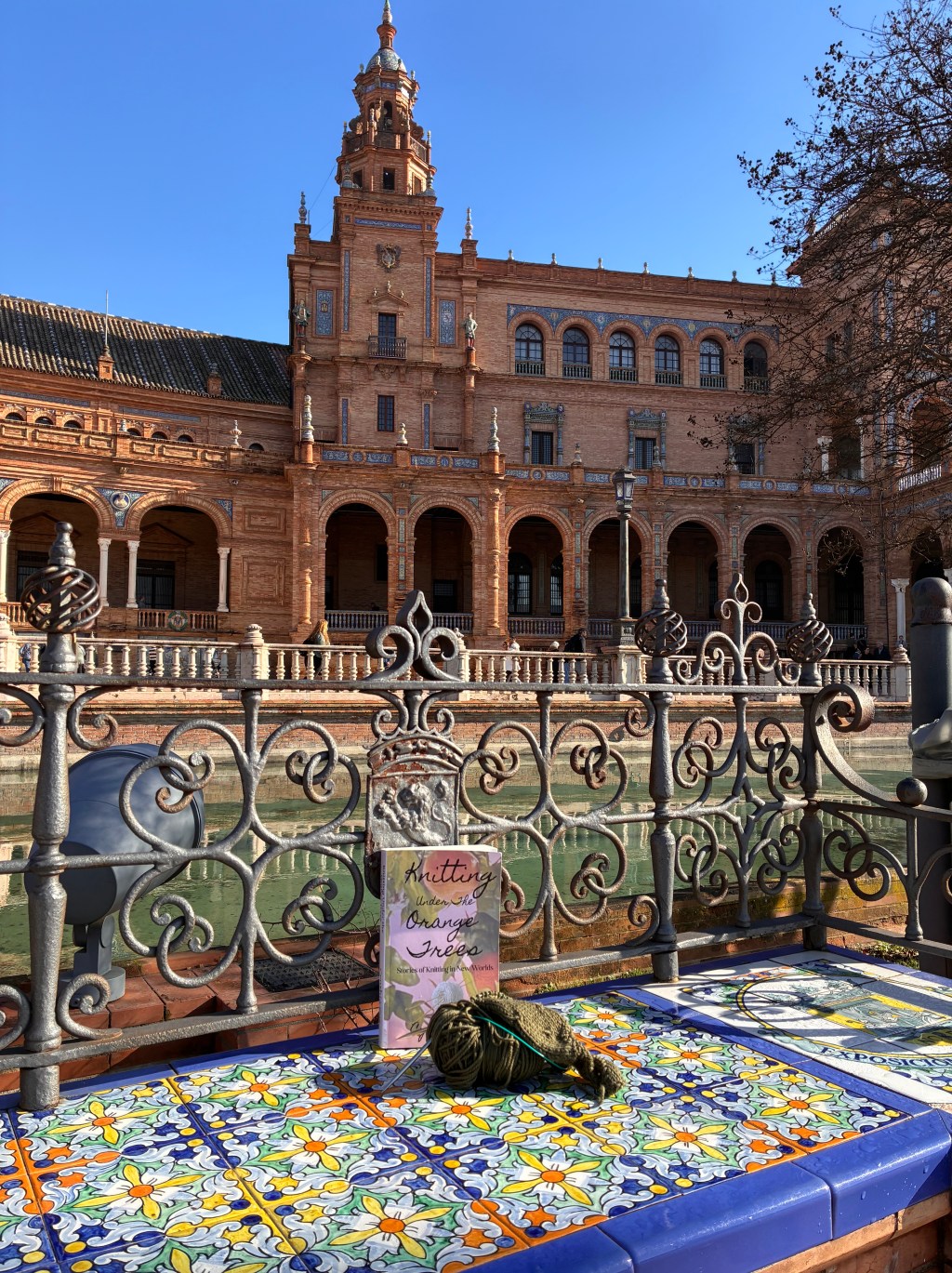
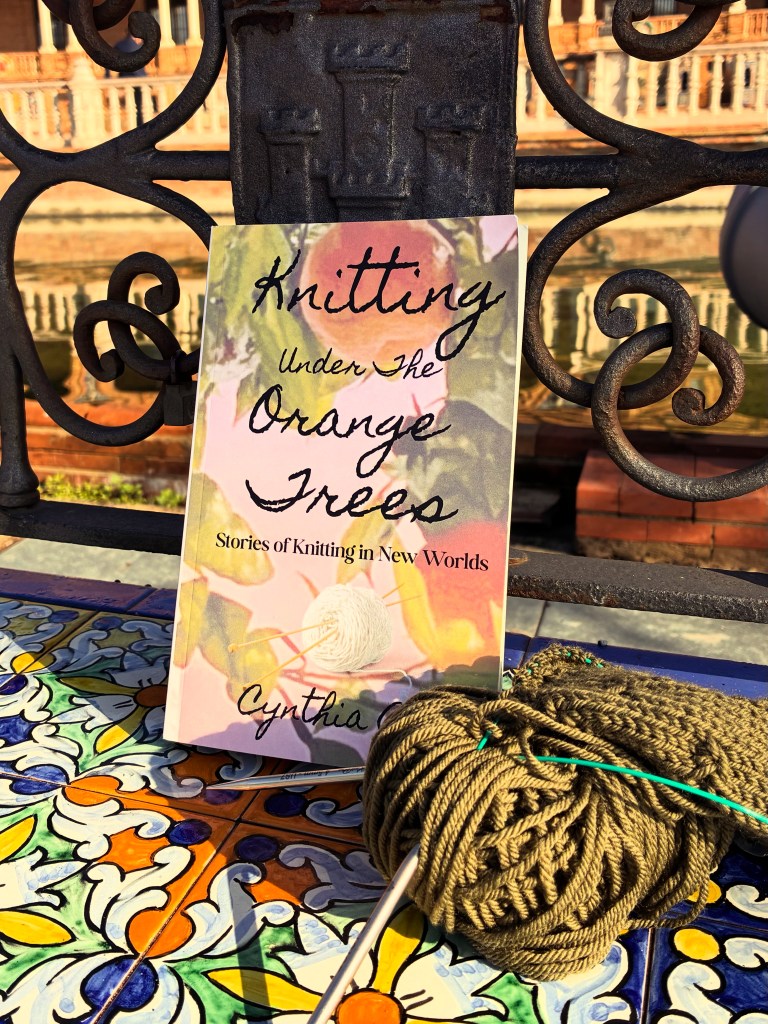
In my latest historical novel Knitting Under the Orange Trees, readers travel from Spain to the New World, following characters who are not famous but deeply real. They build homes in places they did not choose, navigate loss and uncertainty, and carry their faith with them—sometimes quietly, sometimes imperfectly. Over time, I came to see that history is not only what was written down. It is what was lived.
When we begin to look at the past this way, something shifts. The distance between then and now grows smaller. The people become recognizable—their struggles, their hopes, their faith. If you enjoy historical fiction that lingers in those spaces, you may find yourself at home in these stories.
👉 You can explore my novels here.
Because sometimes the most powerful stories are the ones history never wrote.
Blessings, Cindy
Cynthia Coe is the author of several novels, including the historical novels Knitting Through Time and Knitting Under the Orange Trees.
 Cynthia Coe, Author of Fiction & Spiritual Resources
Leave a comment